The Influence of Live Streaming Platforms on Poker Tournament Dynamics and Real-Time Spectator Wagering Patterns
Mia Krause · May 20, 2026
The Influence of Live Streaming Platforms on Poker Tournament Dynamics and Real-Time Spectator Wagering Patterns
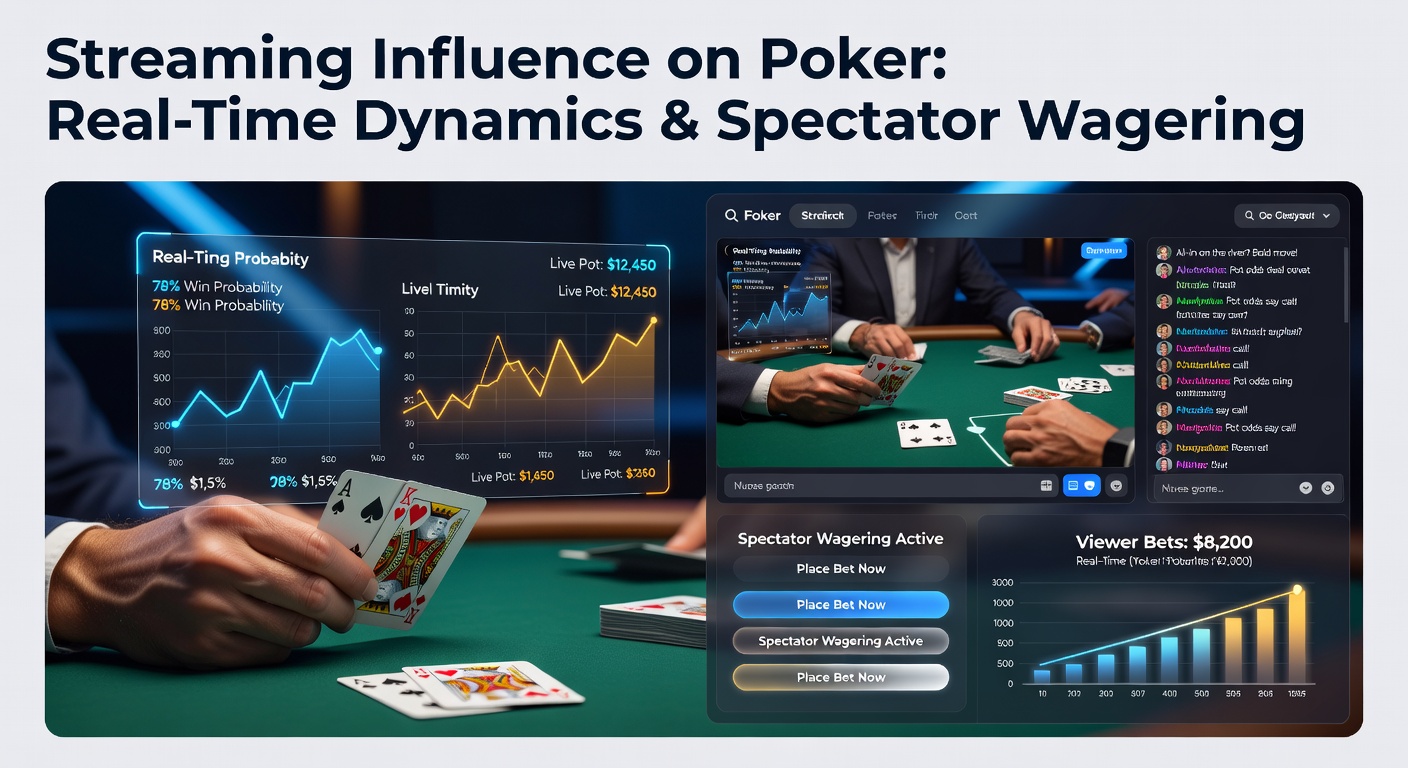
Live streaming platforms have reshaped how poker tournaments unfold on the felt and how audiences engage with every hand, and observers note that this shift accelerated further by May 2026 as major series integrated multi-angle broadcasts with instant betting interfaces. Platforms such as Twitch and specialized poker networks deliver continuous coverage that lets players at the table sense remote reactions while spectators access synchronized data feeds that influence side wagers placed in real time.
Changes in Player Behavior During Broadcast Events
Players adjust their strategies once they know cameras and chat streams run live, and researchers from North American gaming studies have documented how participants slow down certain decisions or add theatrical elements to draws because they understand thousands watch the action unfold. Data collected across WSOP Circuit stops shows increased tank time on marginal spots during streamed tables, whereas off-camera tables maintain quicker rhythms; this pattern emerges because competitors weigh both pot odds and audience perception when they realize their reads reach viewers who later discuss lines on forums.
Coaches and analysts report that some professionals now review stream archives to identify timing tells or bet-sizing patterns that opponents display under broadcast pressure, and this feedback loop tightens as editing suites clip key moments within minutes of each hand concluding. In May 2026 several high-roller events adopted delayed streams for security yet still allowed immediate statistical overlays that kept spectators engaged without compromising hole-card integrity.
Real-Time Spectator Wagering Growth and Platform Integration
Wagering patterns among viewers have evolved alongside these broadcasts, and figures from Canadian provincial regulators indicate rising volumes of in-play bets tied directly to live poker feeds. Spectators place micro-wagers on outcomes such as whether a player will continuation-bet or fold to a three-bet, and operators embed these markets inside the same apps that stream the action so timing remains seamless.
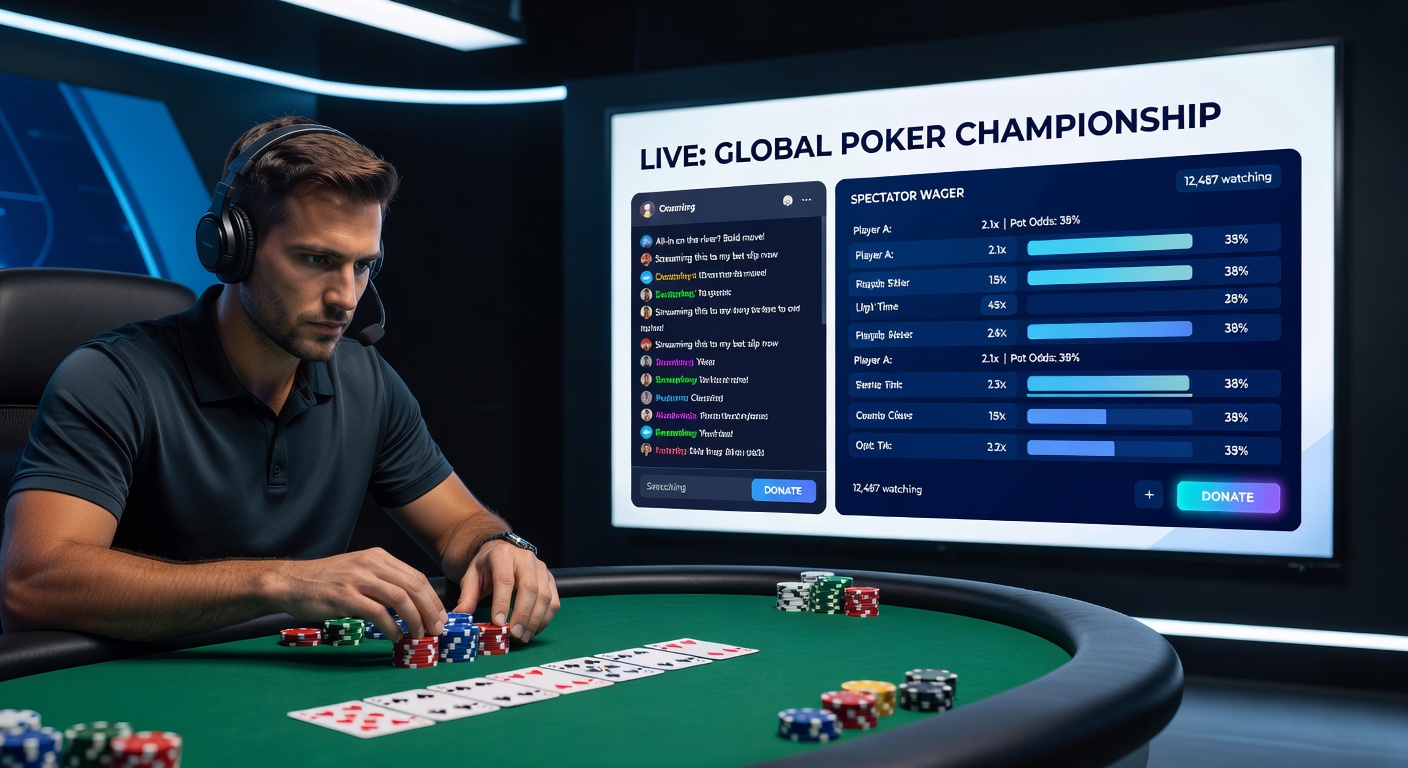
What's interesting is how chat moderators and overlay graphics now highlight upcoming prop bets seconds before cards are dealt, which accelerates decision cycles for remote bettors. Studies conducted by European academic consortia reveal that viewer retention spikes when betting markets refresh every thirty seconds, and operators respond by adding heat-map graphics that display where money currently flows across remaining players. This creates visible momentum shifts that experienced watchers learn to read much like traditional odds boards at racetracks.
Technological Infrastructure Supporting Instant Markets
Behind the scenes, tournament organizers partner with data providers who timestamp every action so that betting engines can open and settle positions without delay, and this infrastructure relies on optical character recognition for board cards plus RFID in chip trays at many venues. Australian industry reports note that such systems reduce settlement errors to under one percent while handling thousands of concurrent wagers during peak final tables. Viewers receive confirmation notifications almost instantly, which encourages repeat engagement across longer sessions.
Security protocols have adapted as well, with encrypted feeds and geo-fencing that comply with varying jurisdictional rules yet still permit cross-border audiences to participate where local laws allow. Observers note that these measures keep the experience fluid even when tournaments span multiple time zones.
Regulatory Responses Across Regions
Regulators in different markets have begun examining how live poker streams intersect with gambling rules, and the National Council on Problem Gambling has published guidance on disclosure requirements for embedded betting features. Meanwhile the Australian gambling support network tracks viewer complaints related to impulse betting during extended final tables. Both organizations emphasize transparent labeling of markets so participants understand settlement criteria before confirming wagers.
Conclusion
Live streaming continues to link tournament dynamics with spectator wagering in ways that extend beyond simple viewership numbers, and the infrastructure built around these platforms now shapes everything from table pacing to settlement speed. As data systems grow more precise and regulatory frameworks mature, the interplay between on-screen decisions and off-screen markets will likely remain a defining feature of modern poker events.