Shifting Sands in Sports Wagering: Fresh Trends and Developments
Mia Krause · Jul 15, 2026

Prediction Markets See Volumes Climb Sharply as Federal Oversight Clashes with State Actions
Monthly trading volume on U.S. prediction markets reached approximately $24 billion in April 2026, a nearly fivefold increase from the figure under $5 billion recorded in September 2025, and this pace exceeded the roughly $14 billion monthly average observed for legalized sports betting during the same period. Platforms operating under federal Commodity Futures Trading Commission oversight, such as Kalshi, gained the ability to offer contracts in states that had previously restricted traditional gambling activities, including California and Texas, because their regulatory structure differed from state-level gambling statutes.
Expansion Driven by Oversight Differences
Observers note that the distinction in oversight allowed these platforms to expand reach without navigating the patchwork of state gambling laws that often block sports betting operators from certain markets, and this access opened participation for users in holdout states where other forms of wagering remained limited or unavailable. Data from that timeframe shows the volume growth coincided with broader adoption of event contracts on topics ranging from economic indicators to election outcomes, while the comparison to sports betting averages highlighted how prediction market activity began to surpass established benchmarks in scale.
Those who've examined the regulatory setup point out that CFTC supervision provided a uniform national framework that contrasted with the state-by-state approvals required elsewhere, and this setup enabled consistent operations across borders even as individual states considered responses. Figures reveal the surge occurred over roughly seven months, and the resulting activity levels drew attention from both federal regulators and state officials monitoring revenue streams and consumer protections.
State-Level Responses and Legal Developments
Kentucky introduced a 14.25 percent excise tax targeting prediction market activity, while North Carolina advanced a proposal for a 6 percent tax on platform fees, and these measures emerged alongside lawsuits and injunction attempts in multiple jurisdictions. Legal actions focused on questions of whether federal oversight preempted state authority, and courts in affected states issued temporary orders that paused certain operations pending further review. People familiar with the filings note that states argued for greater control over activities occurring within their borders, whereas platforms maintained that CFTC registration placed them outside traditional gambling classifications.
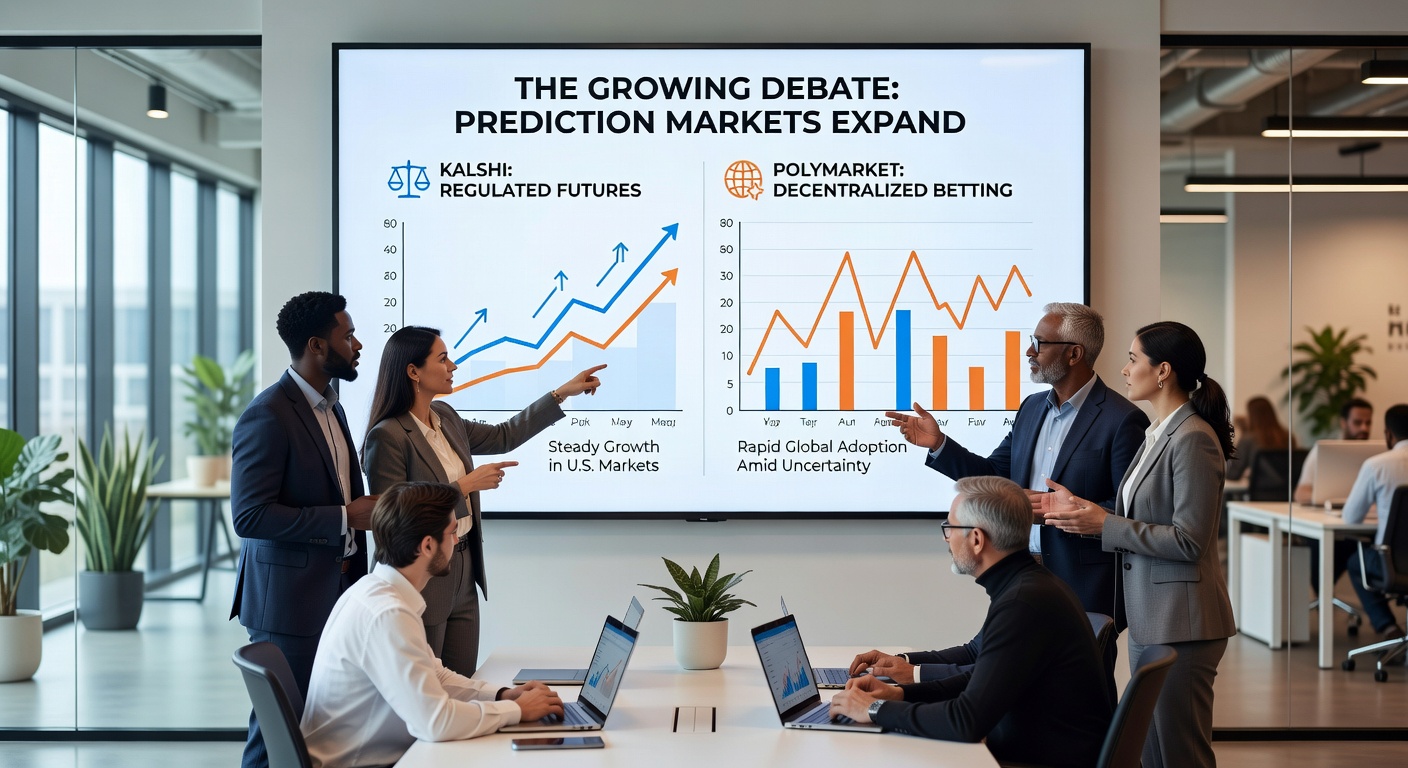
The pattern of responses included both taxation efforts and judicial challenges, and these developments occurred as trading volumes continued to climb through the spring of 2026. One case in Kentucky involved an injunction request that sought to halt specific contract offerings, and similar proceedings appeared in other states where officials examined revenue implications and licensing requirements. Data shows the taxes took effect at different points, with Kentucky's measure applying directly to transaction volumes and North Carolina's proposal centering on fee structures rather than gross handle.
Broader Regulatory Tensions in July 2026
By July 2026 the situation illustrated ongoing friction between federal and state authorities, and this dynamic affected how platforms structured their offerings and how users accessed markets in different regions. States that had previously restricted sports betting found prediction market platforms operating through the federal channel, and this created enforcement questions that prompted legislative proposals and court interventions. Trading volume on prediction markets has soared in recent months, according to available statistics, and the resulting landscape featured both expanded participation and new compliance obligations.
Additional states explored similar tax measures or legal strategies, and these steps reflected efforts to align prediction market activity with existing frameworks for other forms of wagering. The federal structure allowed platforms to maintain operations in states where sports betting remained unavailable, yet state responses indicated a push to recapture regulatory ground through taxation and litigation. Observers have documented injunction filings that paused specific features in certain markets, and these actions occurred while overall volumes remained elevated compared to earlier periods.
Conclusion
The events through April 2026 and into July demonstrate how differences in oversight produced rapid volume growth alongside state-level countermeasures, and the combination of taxes, lawsuits, and access expansions created a complex environment for both operators and participants. The fivefold increase to $24 billion monthly, set against the sports betting average, underscores the scale of activity that prompted these regulatory reactions across multiple states.