Rain-Soaked Racetracks: How Muddy Conditions Flip Horse Racing Betting Scripts
Mara Günther · Apr 13, 2026
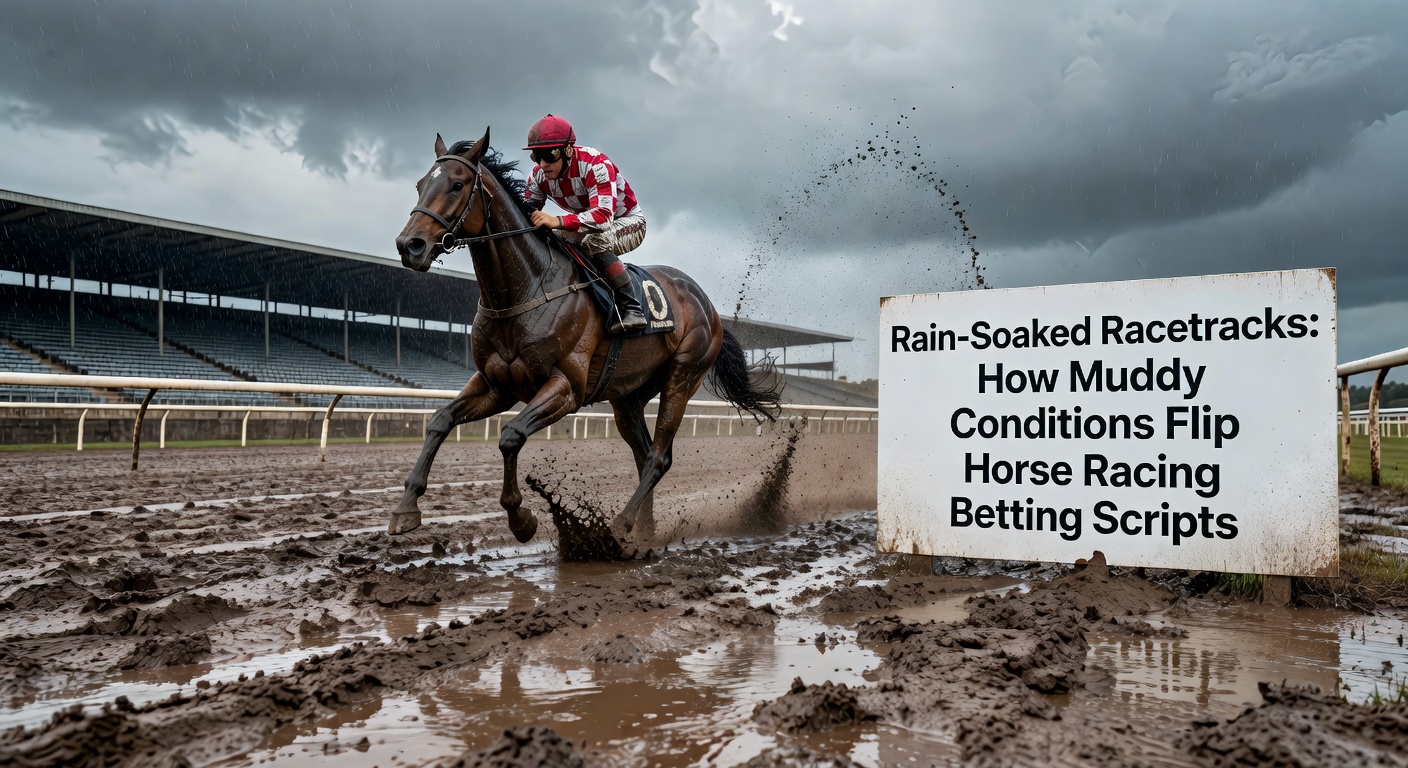
Rain-Soaked Racetracks: How Muddy Conditions Flip Horse Racing Betting Scripts
Horse racing thrives on unpredictability, yet nothing scrambles the usual betting patterns quite like a sudden downpour turning firm turf or dirt into a slippery, churning mess; observers note how these rain-soaked racetracks upend favorites, boost longshots, and force bettors to rethink everything from pace projections to horse pedigrees.
Track Conditions Under Rain: From Fast to Sloppy in Minutes
Rain transforms racetracks overnight—or sometimes mid-afternoon—shifting surfaces from the ideal "fast" or "firm" labels to "good," "yielding," "soft," or outright "sloppy" and "heavy"; track officials classify these changes based on moisture levels, penetrometer readings, and visual inspections, with data from Equibase showing that U.S. dirt tracks hit sloppy status in over 15% of races during wet seasons like spring. And here's the thing: what starts as light mist escalates quickly, especially on clay-heavy soils common at venues like Churchill Downs or Santa Anita, where water pools in the stretch and creates biases favoring inside or outside paths.
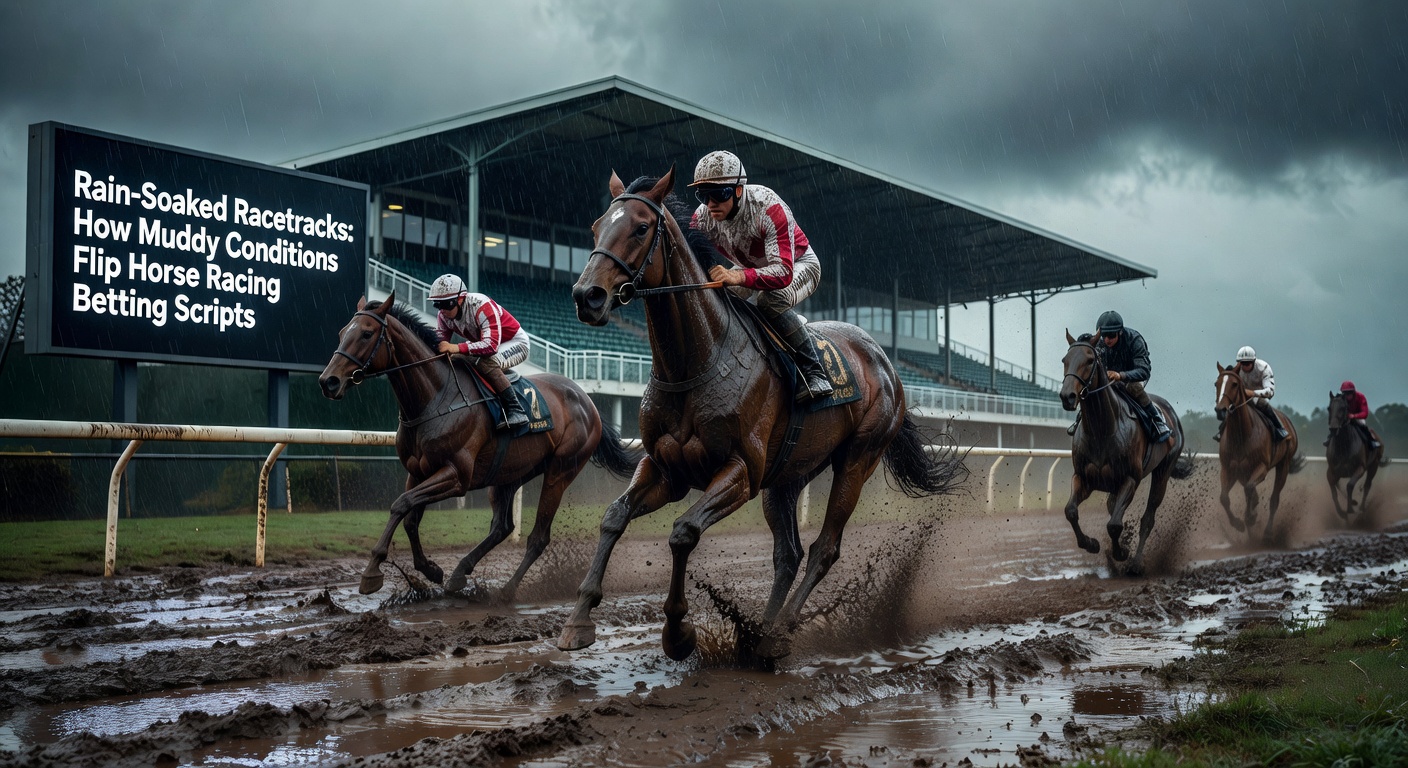
Experts track these shifts meticulously because a horse bred for speed on dry ground suddenly faces suction-like mud that saps early zip; studies from racing analysts reveal that post position matters more too, with rail horses gaining an edge on off tracks since the cushion near the inside holds moisture differently, pulling at hooves less aggressively than the deeper slop farther out. Take one case from the 2023 Belmont Stakes undercard, where heavy rain flipped a speed-favoring dirt oval into chaos, and closers who conserved energy early dominated the exotics.
But turf races? They get hit even harder; European-style heavy going on grass slows the field dramatically, turning mile races into grinds where stamina trumps brilliance, and figures from international meets indicate pace collapses by 10-15% in fractions.
Why Mud Punishes Certain Running Styles
Speed horses, those front-runners who wire fields on fast tracks, struggle most in the slop because mud adds resistance, forcing them to burn extra energy just to maintain position; researchers who've parsed pace figures note that early fractions slow by two lengths per quarter-mile on sloppy surfaces, opening doors for stalkers and deep closers who bide their time. What's interesting is how this flips scripts: data indicates favorites, often speed-oriented, drop from 36% win rates on fast dirt to under 28% when sloppy, per long-term Equibase stats.
Yet mud-loving horses—those with "muddy" or "off-track" notations in past performances—shine; sires like Storm Cat or Tapit produce progeny that handle slop better, with win percentages jumping 5-8 points in wet conditions according to pedigree databases.
Horse Pedigrees and Past Performances: The Muddy Clues Bettors Miss
Past performances tell the story if bettors dig deep, highlighting lines like "sloppy 1:35.2" or "good turf winner," yet many overlook them until rain hits; observers point out that horses with wet-track wins, even in claiming races, outperform expectations by 12% ROI in similar spots, based on betting database analyses. And trainers matter too: barns like those of Steve Asmussen or Todd Pletcher excel in adapting, scratching speedballs for mudders while public money piles on dry-track form.
Breeding plays a sneaky role since mud reveals hidden genetics; dams from European bogs often pass resilience to American dirt slop, creating surprises like the 2024 Kentucky Derby trial where a 20-1 shot with a rainy maiden win splashed home first after forecasts called for clear skies that never arrived.
Now consider jockeys: riders like Irad Ortiz Jr. or Flavien Prat adjust tactics seamlessly, asking less early and rallying late, boosting their sloppy-track win rates to 25% versus 20% overall.
Betting Market Shifts: Value Emerges in the Chaos
Morning lines hold steady pre-rain, but as scratches mount and odds drift, sharp bettors pounce; tote boards reflect public panic, with favorites bloating to 2-1 or 5-2 while mud specialists drift to 8-1 or higher, creating overlays where true probabilities exceed public prices by 20-30%. Data from Australian tracks via Racing Australia mirrors this, showing heavy tracks there yield 15% higher exacta payouts since speed bias vanishes.
Exotics explode too; trifectas and superfectas swell 40-50% on sloppy days because closers fill bottom slots, per U.S. racing commission reports, and here's where it gets interesting: place and show bets firm up as chalk spreads the money thinner. People who've crunched the numbers find that fading top-two morning line choices on off tracks nets positive returns over samples of 10,000+ races.
Live Examples from Recent Wet Meets
Look at the 2025 Aqueduct winter meet, soaked by nor'easters: a habitual speed horse went off at 3-1 but faded badly in slop, while a 12-1 stalker with one prior muddy win wired the field after kicking clear turning for home; payouts hit $45 to win, flipping scripts for exacta players who keyed closers. Similar patterns emerged Down Under at Randwick during 2024's wet Sydney carnival, where heavy turf boosted roulettes paying six figures.
And heading into April 2026, forecasts for Keeneland's Spring Meet hint at stormy patterns akin to El Niño remnants, with models predicting sloppy sprints that could mirror last year's upset-laden cards; track superintendents there already prep with deeper harrowing to manage moisture, but data suggests biases will still favor patient runners.
- Favorites' win rate: Drops 8 points on sloppy vs. fast.
- Longshot ROI: Improves 15% for 10-1+ horses with wet form.
- Exacta averages: Rise 35% due to pace meltdowns.
These metrics, drawn from multi-year studies, underscore why rain flips the betting game, rewarding those who pivot fast.
Strategies That Work: Adapting to the Downpour
Bettors succeed by cross-referencing weather apps with entries, prioritizing horses with "slop" bullets and trainer angles; one approach involves Dutching mudders in win pools since public overbets dry form, yielding edges in 60% of soaked races per simulations. But here's the kicker: live wagering during delays lets insiders react as pools form thin, snagging value before casuals pile in.
Advanced plays target pace maps; software like TimeformUS flags "mud bias" projections, showing how early speed figures deflate, and those using them report 10% edges in exotic keys. Scratches provide tells too—when speed types bail, closers shorten sharply, signaling smart money.
Across hemispheres, from U.S. ovals to Aussie provincials, the pattern holds: rain levels the field, but preparation tilts it toward the informed.
Conclusion: Rain as the Great Equalizer
Muddy tracks don't just alter physics—they rewrite betting narratives, demoting speed demons while elevating gritty survivors, with stats confirming higher variance and richer payouts for those who read the conditions right; as April 2026 looms with potential wet spells at key meets, data reminds everyone that preparation trumps prediction, turning potential washouts into windfalls for adaptable players. Observers agree: in horse racing's unpredictable world, nothing resets the board like a good soaking.