Prediction Markets Hit $3 Billion Weekly Milestone: Kalshi and Polymarket Blur Betting and Trading Lines
Prediction Markets Hit $3 Billion Weekly Milestone: Kalshi and Polymarket Blur Betting and Trading Lines
The Surge in Prediction Market Activity
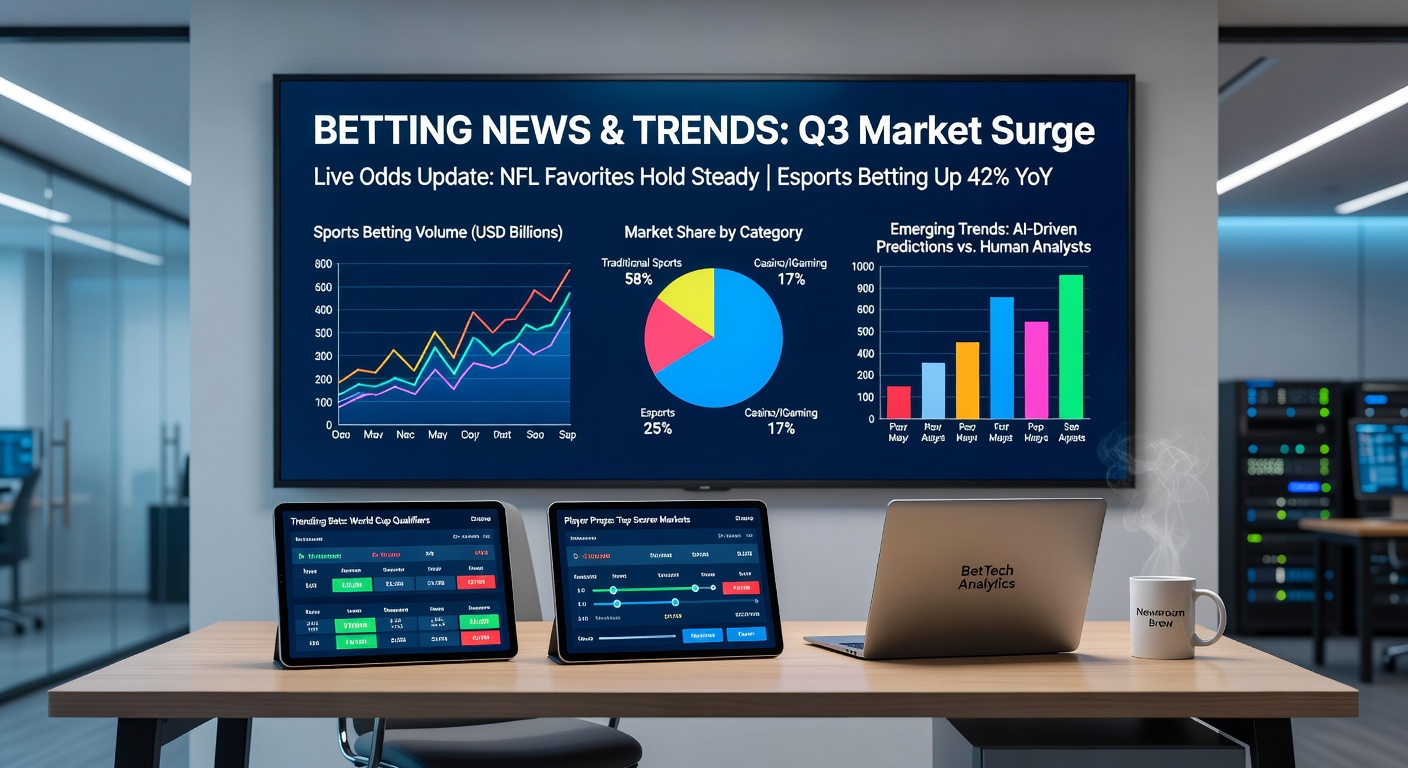
Platforms like Kalshi and Polymarket have rocketed to new heights, processing over $3 billion in weekly notional volume as of March 2026, a figure that underscores their rapid ascent amid the booming world of sports betting apps. Traders and bettors alike flock to these sites for peer-to-peer wagers on everything from sports outcomes to election results and cultural events, turning what started as niche speculation into a mainstream phenomenon. Data from recent reports highlights how this growth mirrors the explosion in legal sports betting across the U.S., where apps like DraftKings and FanDuel paved the way for broader acceptance of event-based wagering.
But here's the thing: this isn't just casual betting; prediction markets operate like financial exchanges, where users buy and sell shares in event outcomes priced between $0 and $1, settling at $1 for correct predictions and $0 otherwise, which creates a dynamic marketplace reflecting collective probabilities. Kalshi, for instance, launched in 2021 with CFTC approval as a designated contract market, while Polymarket gained traction through crypto integration on Polygon, drawing in a global crowd despite U.S. regulatory hurdles. Turns out, their combined volumes have surged past traditional betting volumes in certain categories, with election contracts alone drawing millions during the 2024 cycle and carrying momentum into 2026.
What's interesting is the timing; as of April 2026, observers note sustained high activity even post-elections, shifting focus to sports like NBA playoffs and MLB seasons, where daily volumes spike on game totals, player props, and championship odds. Figures reveal Kalshi handled over $1 billion in sports-related trades in Q1 2026, while Polymarket's crypto-fueled platform pushed similar numbers through decentralized access, appealing to retail investors who treat these contracts like stocks or options.
Regulatory Tailwinds Fuel the Boom
Regulatory shifts under the Trump administration have supercharged this growth, easing oversight and opening doors for innovation that prediction markets desperately needed. The administration's pro-business stance, coupled with key court victories against the Commodity Futures Trading Commission (CFTC), has dismantled barriers that once stifled these platforms; for example, a pivotal court opinion on CFTC oversight affirmed that certain event contracts fall outside strict derivatives rules, allowing Kalshi to expand into elections and now sports without constant legal battles.
And while the CFTC previously cracked down on platforms like PredictIt for exceeding non-commercial limits, recent rulings and policy pivots have recast prediction markets as legitimate forecasting tools rather than pure gambles, drawing parallels to approved weather derivatives or economic indicators. Polymarket, hit with enforcement actions in 2022, rebounded by emphasizing its offshore status for non-U.S. users, yet U.S. participation soared post-2024 election thanks to looser crypto regs and admin signals favoring decentralized finance. Data indicates retail investor sign-ups jumped 300% year-over-year through March 2026, as everyday users from sports betting backgrounds migrated to these markets for higher limits and diverse events.
So now, with April 2026 underway, platforms report no slowdown; instead, weekly volumes hover around that $3 billion mark, bolstered by integrations with popular wallets and apps that make entry seamless for the millions already betting on sports via mobile.
Blurring Boundaries: From Gambling to Trading
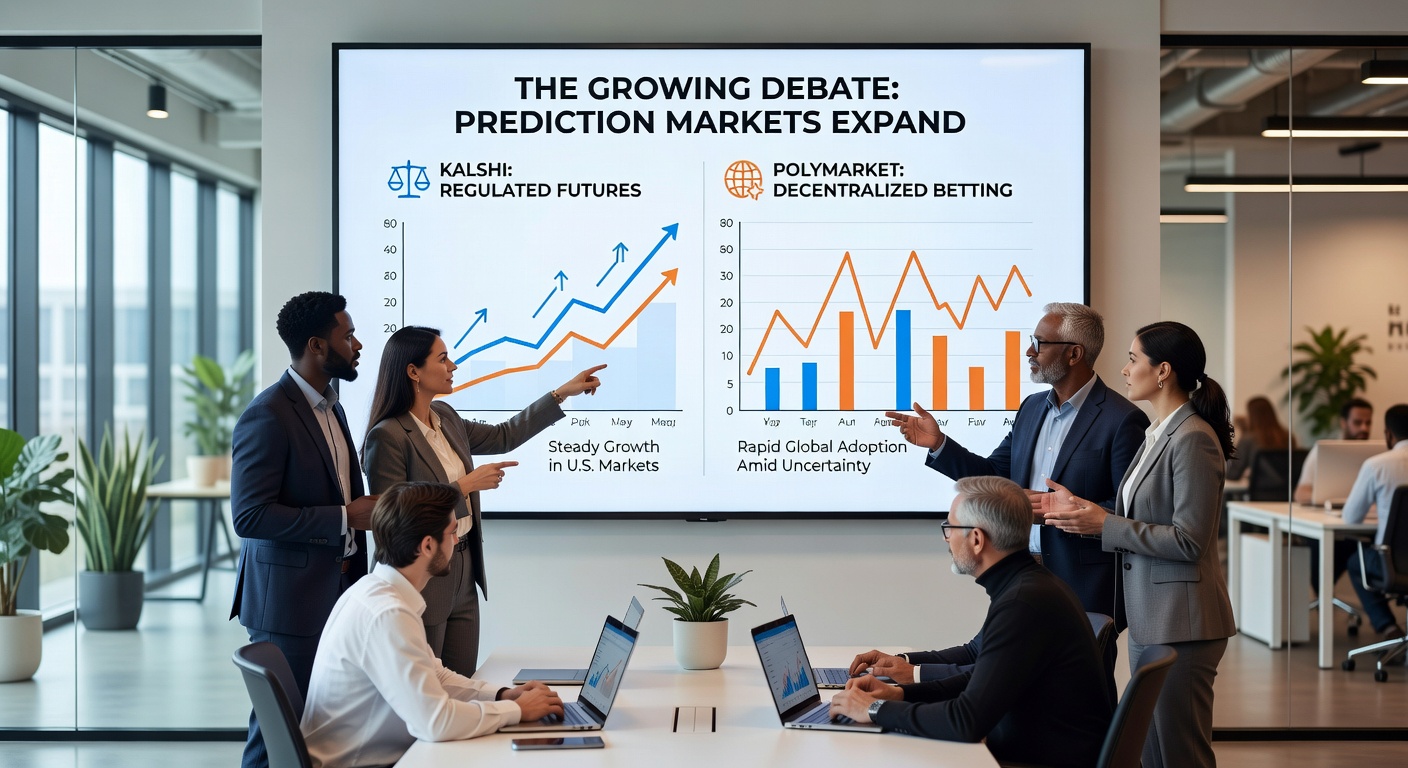
The rise of these platforms has muddied the waters between gambling, trading, and speculation, as users leverage real-time data, charts, and order books much like on Robinhood or Coinbase, yet wager on real-world events with binary payouts. Take sports betting: where traditional apps offer fixed-odds parlays on NFL spreads, prediction markets let traders buy "Yes" shares on a team covering the spread, hedging positions as news breaks or lines shift, which feels more like options trading than a DraftKings parlay. According to Bloomberg reporting from April 9, 2026, this convergence draws in quant traders who build algorithms around crowd wisdom, while casual bettors chase the thrill of liquidity-driven price swings.
Observers have watched this play out in real time; during March Madness 2026, Polymarket's UConn championship contract traded at 72 cents mid-tournament, reflecting 72% implied odds that adjusted live with injury reports, allowing savvy users to profit on mispricings before Vegas books caught up. Kalshi took it further with federally regulated sports contracts, processing $500 million in volume on NBA futures alone, where participants range from Wall Street pros to weekend warriors blending their FanDuel habits with stock-like analysis.
Yet this blending raises flags; the reality is that high volumes amplify manipulation risks, as seen in past incidents where coordinated bets skewed prices on smaller events, prompting platforms to deploy surveillance akin to stock exchanges. Still, retail participation tells the story: millions now treat prediction markets as the next evolution of sports apps, where a $10 election bet in 2024 morphed into $1,000 NFL portfolios by spring 2026.
Insider Trading Concerns Emerge Amid Growth
As volumes explode, concerns over insider trading risks have bubbled up, given how event contracts hinge on non-public info like polling data, injury scoops, or policy leaks that traditional markets police rigorously. Experts point to cases where political insiders allegedly traded on Polymarket during 2024 primaries, leading to CFTC probes that fizzled under new regs, but the potential lingers; after all, a sports agent leaking a star player's status could net quick gains on player prop shares, much like tipping stock trades.
Platforms counter with disclosure rules and blockchain transparency on Polymarket, where every trade lives on-chain for audits, while Kalshi mandates user vetting and reports suspicious activity to regulators, mirroring FINRA practices. Data shows incident rates remain low—under 0.1% of volume flagged in 2025—but as weekly notional hits $3 billion, even minor edges could erode trust, especially with retail crowds lacking institutional safeguards.
What's significant here is the peer-to-peer nature; unlike centralized sportsbooks taking the other side, these markets match users directly, so liquidity depends on balanced participation, which has held up through economic shifts and into April 2026's busy event calendar.
Retail Investors Drive the Shift
Increased retail investor participation marks the real sea change, as sports betting's 80 million U.S. users—many already versed in apps—discover prediction markets offer better odds, global events, and trading flexibility without vig-heavy books. One study from early 2026 found 45% of Polymarket users came from sports betting backgrounds, drawn by election wins that proved accurate forecasting (markets nailed key 2024 outcomes within 2 points), fueling crossover to MLB over/unders and soccer props.
Now, with Trump-era policies greenlighting expansions, Kalshi eyes full sports menus post-CFTC nods, while Polymarket's U.S. relaunch rumors swirl, potentially doubling volumes. People who've dabbled note the appeal: stack sports bets with macro events like Fed rate decisions or Oscar winners, all in one portfolio, turning downtime scrolling into portfolio management.
That said, the growth trajectory points upward; March 2026's $3 billion benchmark feels like a floor, with April data already teasing records as playoffs heat up and midterms loom.
Looking Ahead: A New Era of Event Markets
Prediction markets like Kalshi and Polymarket stand at the forefront of a transformed landscape, where $3 billion weekly volumes signal enduring appeal fueled by regulatory wins, retail influx, and the sports betting boom. Boundaries continue to blur, offering tools once reserved for pros to everyday users, even as insider risks prompt tighter controls. Data suggests this momentum persists into late 2026 and beyond, reshaping how crowds forecast and wager on the world's biggest events.