Prediction Markets Face Fresh Scrutiny as Sports Betting Overlap Raises Regulatory Questions
Klara Wolf · May 23, 2026
Prediction Markets Face Fresh Scrutiny as Sports Betting Overlap Raises Regulatory Questions
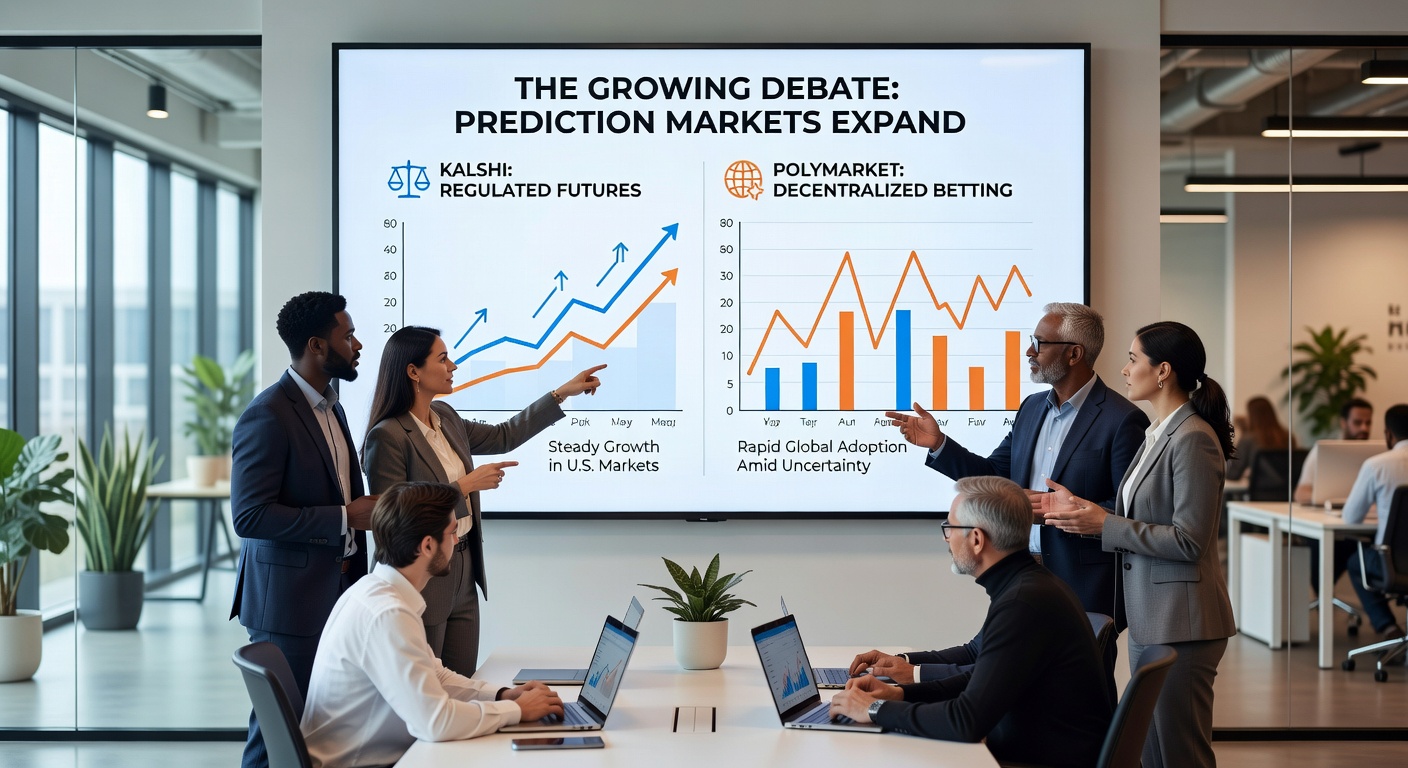
Prediction markets operated by platforms such as Kalshi and Polymarket have drawn increased attention in May 2026 because their expansion into sports-related contracts creates overlapping territory with traditional sports betting. Lawmakers and financial executives have highlighted how these markets allow users to trade contracts on event outcomes, which generates tens of billions in annual volume while operating under federal oversight from the Commodity Futures Trading Commission.
Rep. Jim Himes and Rep. Frank Lucas have joined former White House Chief of Staff Mick Mulvaney in voicing concerns about consumer protections, age restrictions, and jurisdictional boundaries. Their statements arrive at a moment when state attorneys general challenge the platforms' reach, arguing that certain contracts resemble gambling products more than financial instruments.
Market Growth and Contract Expansion
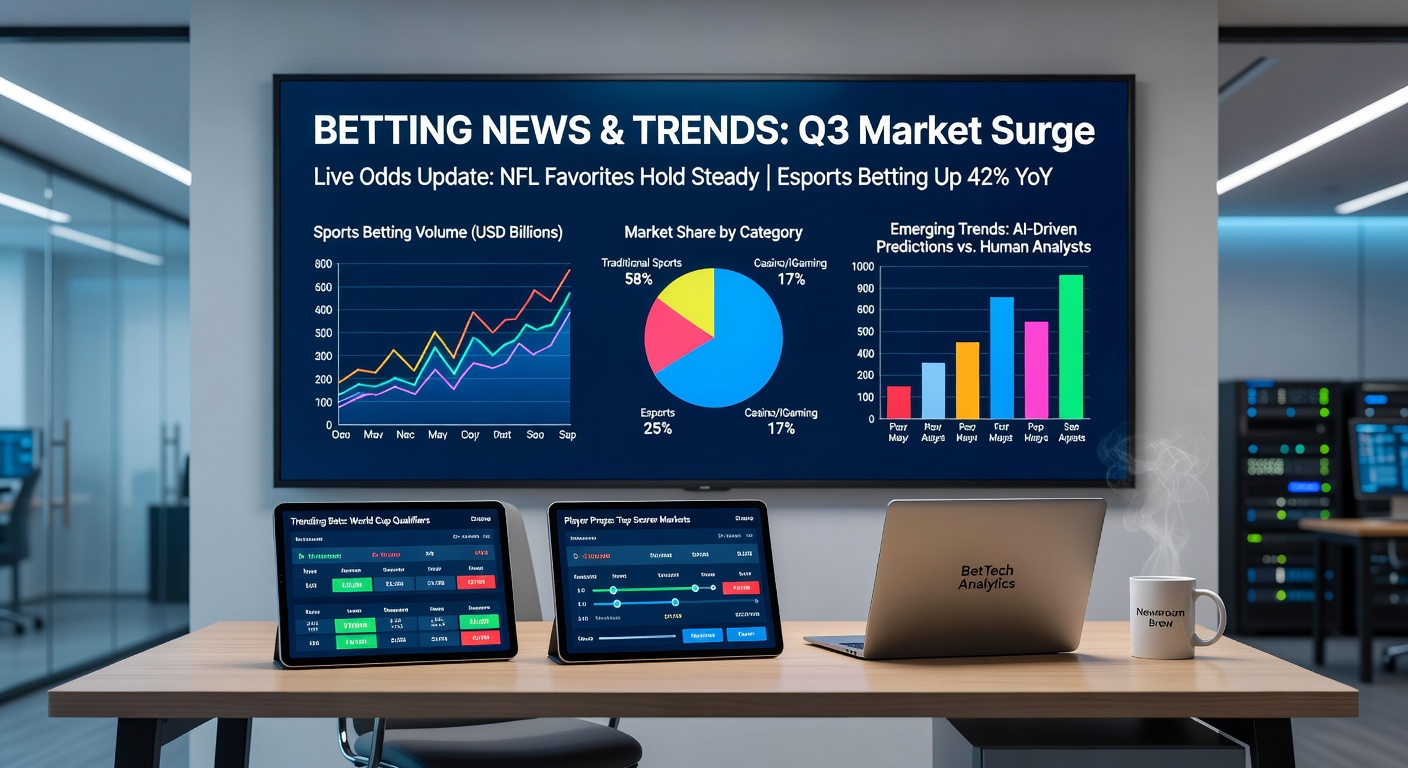
Volume on prediction markets has climbed steadily, with Kalshi and Polymarket reporting combined trading activity that reaches billions of dollars each week during peak periods. Contracts now cover not only election results and economic indicators but also specific sports outcomes, which blurs distinctions regulators previously maintained between derivatives and wagers. Observers note that this growth stems from user demand for event-based trading, yet it places these platforms in direct competition with state-licensed sportsbooks.
Data from the platforms indicate that sports-adjacent contracts have attracted younger traders who previously engaged with election or news markets. This shift prompts questions about whether existing CFTC rules adequately address retail participation in high-velocity event contracts.
Lawmaker and Executive Concerns
During congressional hearings scheduled for late May 2026, Rep. Himes emphasized the need for clearer age-verification standards across prediction platforms. Rep. Lucas focused on the potential for cross-border trading to evade state oversight, while Mick Mulvaney underscored risks that retail users may not fully grasp leverage mechanics embedded in certain contracts. These comments reflect a broader coalition of voices that includes both Democratic and Republican lawmakers who seek to preserve the CFTC's role without ceding ground to state gaming authorities.
Financial executives from traditional brokerage firms have echoed similar points, noting that prediction markets lack the same margin and suitability requirements found in securities trading. They argue that contracts tied to athletic events introduce volatility patterns similar to those observed in daily fantasy sports, which some states already regulate separately.
CFTC Oversight and State Challenges
The CFTC maintains primary jurisdiction over prediction markets because many contracts qualify as event contracts under the Commodity Exchange Act. Yet state regulators in multiple jurisdictions have filed challenges asserting that sports outcome contracts fall under gambling statutes. Court filings from May 2026 reveal disputes in at least four states where attorneys general contend that platforms must obtain state licenses or cease offering sports-linked products.
Platform representatives respond that federal preemption protects their operations, citing prior CFTC guidance that approved certain event contracts. This legal friction creates uncertainty for users and market makers who must navigate differing compliance expectations depending on residency.
Potential Congressional Response
Staff members in both the House and Senate have circulated draft language that would direct the CFTC to establish explicit standards for sports-related contracts. The proposals include mandatory disclosures about contract risks, uniform age gates at 21, and clearer delineation between prediction contracts and state-regulated sports wagers. Lawmakers have not scheduled final votes, but committee markup sessions are expected before the August recess.
Industry analysts tracking the legislation point out that any new statute would need to reconcile the CFTC's derivatives framework with the Wire Act and state gaming compacts. Without congressional clarification, courts may continue to issue conflicting rulings that fragment the national market.
Conclusion
The debate over prediction markets and sports betting overlap continues to evolve in May 2026, with volume figures and regulatory filings providing concrete data points for policymakers. Lawmakers including Reps. Himes and Lucas, along with Mick Mulvaney, have placed consumer protection and jurisdictional clarity at the center of discussions. The CFTC remains the primary federal overseer while state challenges test the limits of its authority. Any legislative action that emerges will shape how platforms structure contracts and how users access these markets in the coming years.