Metropolitan Transit Interruptions Alter Lottery Purchase Volumes in Commuter Corridors During Rush Periods
Mara Simmons · Jun 24, 2026
Metropolitan Transit Interruptions Alter Lottery Purchase Volumes in Commuter Corridors During Rush Periods
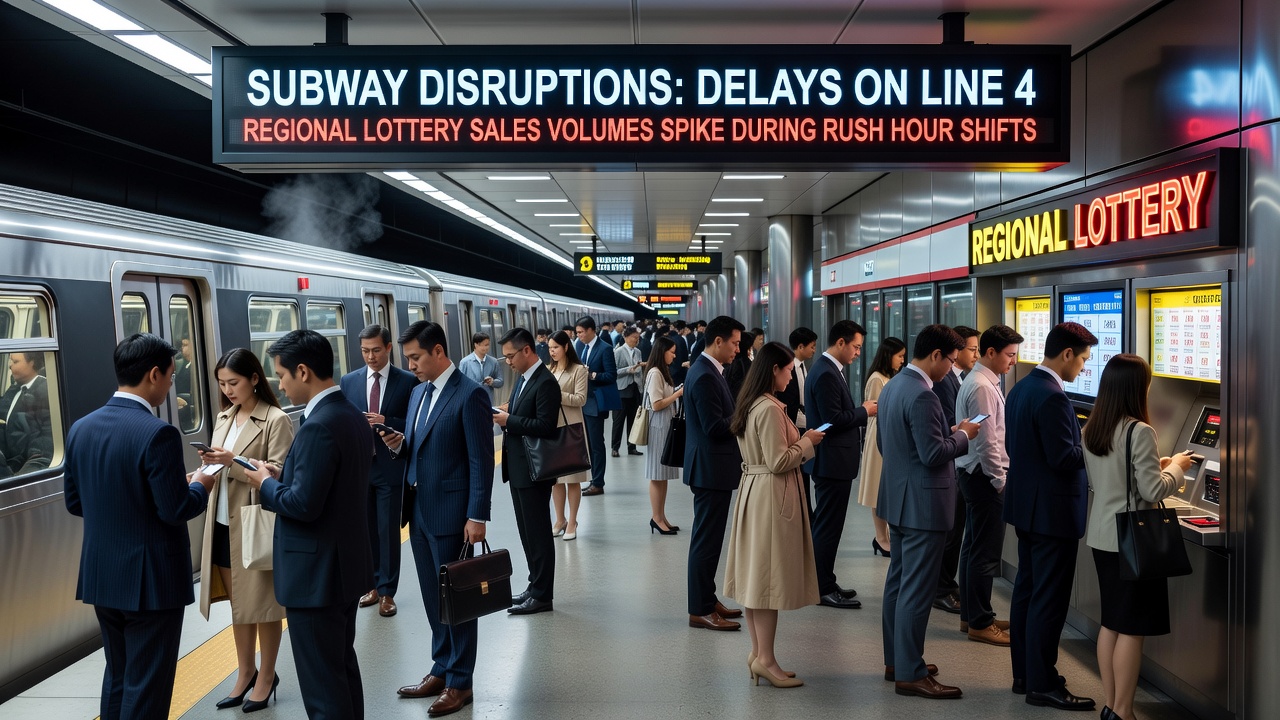
Subway service interruptions have produced measurable changes in regional lottery sales volumes especially during morning and evening rush hour windows when commuters typically pass retail outlets near station entrances, and data collected across multiple metropolitan systems shows these shifts occur because delayed passengers alter their routes and timing which reduces or redirects impulse purchases at high-traffic kiosks and convenience stores. Observers note that when trains run on schedule large numbers of riders stop briefly at lottery terminals located inside or adjacent to stations yet when disruptions arise those same individuals either skip the stop entirely or purchase tickets at different locations later in their journeys.
Patterns Observed in Major Transit Networks
Records from urban transportation authorities indicate that sales at lottery outlets within 200 meters of subway entrances drop by noticeable percentages on days when signal failures or track maintenance extend travel times beyond normal thresholds, and researchers tracking point-of-sale data have linked these declines directly to reduced foot traffic during peak commuting blocks between 7 and 10 a.m. plus 4 and 7 p.m. One study covering several East Coast cities found that a single prolonged delay lasting more than 45 minutes correlated with an average 12 percent reduction in morning lottery transactions at affected stations while afternoon figures showed similar though slightly smaller adjustments as commuters sought alternative paths or abandoned plans to buy tickets altogether.
Retail operators located farther from transit hubs sometimes record corresponding increases on the same days because displaced riders redirect their stops toward busier commercial districts or suburban transfer points where service remains uninterrupted, and this redistribution effect appears most pronounced in regions where multiple transit modes intersect allowing passengers greater flexibility to change plans mid-journey. Figures compiled by regional gaming commissions reveal that overall daily lottery volumes remain relatively stable across broader metropolitan areas even while localized spikes and dips emerge around specific subway lines experiencing problems.
Data From Recent Service Events
During June 2026 several high-profile disruptions on heavily used lines produced clear examples of these volume shifts with ticket sales at downtown kiosks falling sharply on affected mornings before rebounding at evening outlets in residential neighborhoods once commuters returned home via alternate routes. Transportation logs show that passengers who normally purchase tickets during their outbound trips often deferred those transactions until after work when service had normalized or when they reached stations with functioning terminals. Sales data aggregated across multiple operators confirms that the timing of purchases moved outside traditional rush windows on disruption days creating flatter transaction curves rather than the sharp peaks typically seen during commute hours.
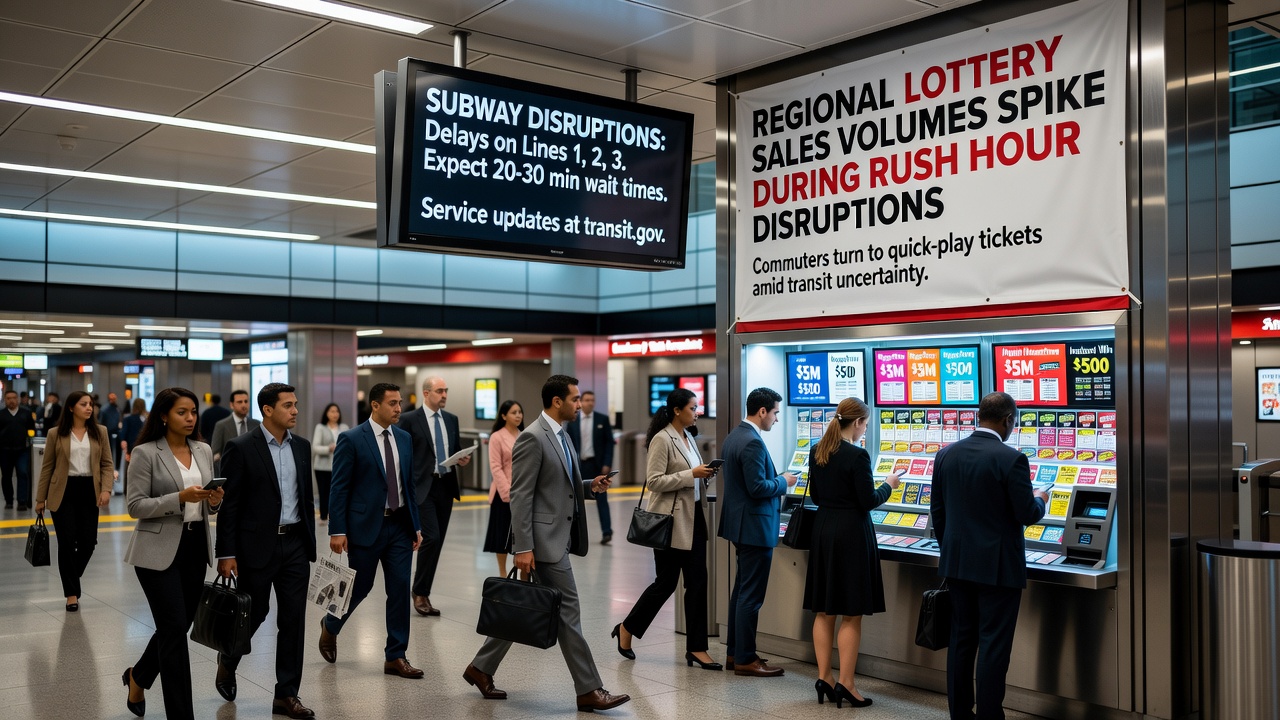
Analysts examining point-of-sale records have also identified secondary effects where certain game types experience greater sensitivity to transit interruptions than others with quick-draw or instant-win products showing steeper short-term declines compared with larger jackpot drawings that attract advance planning. This distinction arises because commuters often treat smaller purchases as routine stops tied closely to their travel schedules whereas bigger games draw buyers who plan ahead regardless of daily commuting conditions. Evidence from multiple cities demonstrates that these patterns hold across different lottery operators and retail networks indicating a consistent relationship between transit reliability and localized sales timing.
Factors Influencing the Scale of Shifts
The magnitude of sales volume changes depends on several measurable variables including the duration and location of each disruption along with the density of alternative retail outlets within walking distance of affected stations, and transportation studies reveal that lines serving dense central business districts experience more pronounced redistribution effects than those serving suburban endpoints where fewer lottery vendors operate nearby. Weather conditions coinciding with service problems can amplify or dampen these shifts because heavy rain or extreme temperatures encourage commuters to seek shelter at different retail locations or to skip discretionary stops altogether. Data collected by municipal planning departments shows that the presence of real-time transit apps influences behavior as well since informed passengers may reroute before reaching problem areas thereby avoiding certain retail clusters entirely.
Regional variations appear when comparing cities with extensive subway networks to those relying more heavily on buses or commuter rail where the concentration of lottery terminals inside or directly beside stations creates tighter linkages between service reliability and purchase timing. In systems where terminals sit inside paid fare zones the connection grows even stronger because delayed passengers who exit early lose access to those specific outlets until service resumes. Government transportation reports from North American agencies document these spatial relationships through detailed mapping of retail locations against ridership patterns during both normal operations and disruption events.
Conclusion
Transit authorities and lottery operators continue to monitor these interconnected patterns because coordinated data sharing allows both sectors to anticipate volume movements during planned maintenance windows or unexpected service events. Academic researchers examining urban mobility and consumer behavior have begun incorporating transit logs into models that predict retail transaction flows with greater accuracy while gaming commissions track localized sales to maintain balanced distribution across vendor networks. The relationship between subway reliability and rush-hour lottery purchases remains an observable feature of metropolitan economies where daily commuting routines intersect with retail habits in predictable yet adjustable ways.