Election Officials Raise Alarms Over Prediction Markets for 2026 Midterms
Mia Krause · Aug 12, 2026
Election Officials Raise Alarms Over Prediction Markets for 2026 Midterms
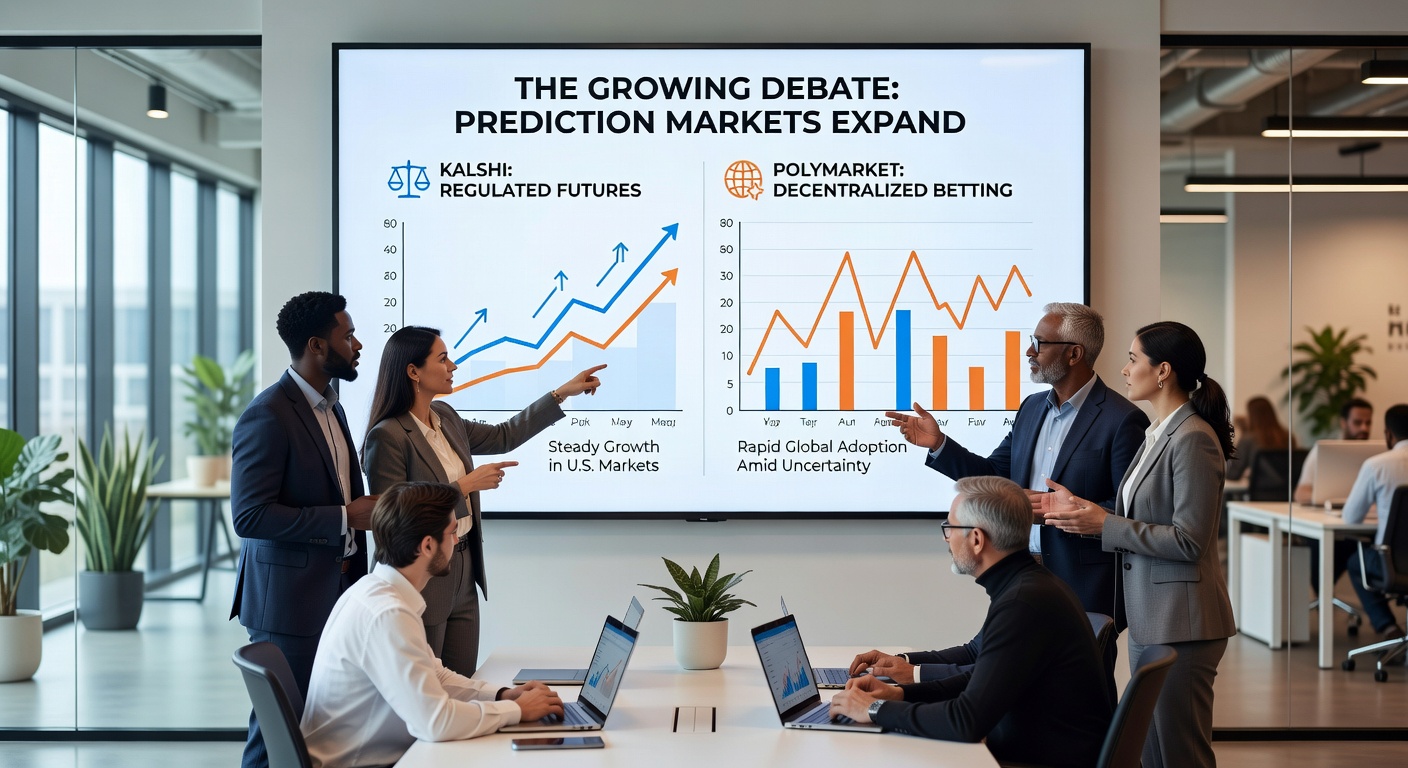
Election officials across the United States have begun highlighting fresh worries about prediction markets such as Kalshi and Polymarket that now accept bets on 2026 midterm election outcomes and those markets appear to be drawing significant attention from traders while also stirring unease among administrators tasked with maintaining public confidence in the voting process.
Market Growth and Reported Activity
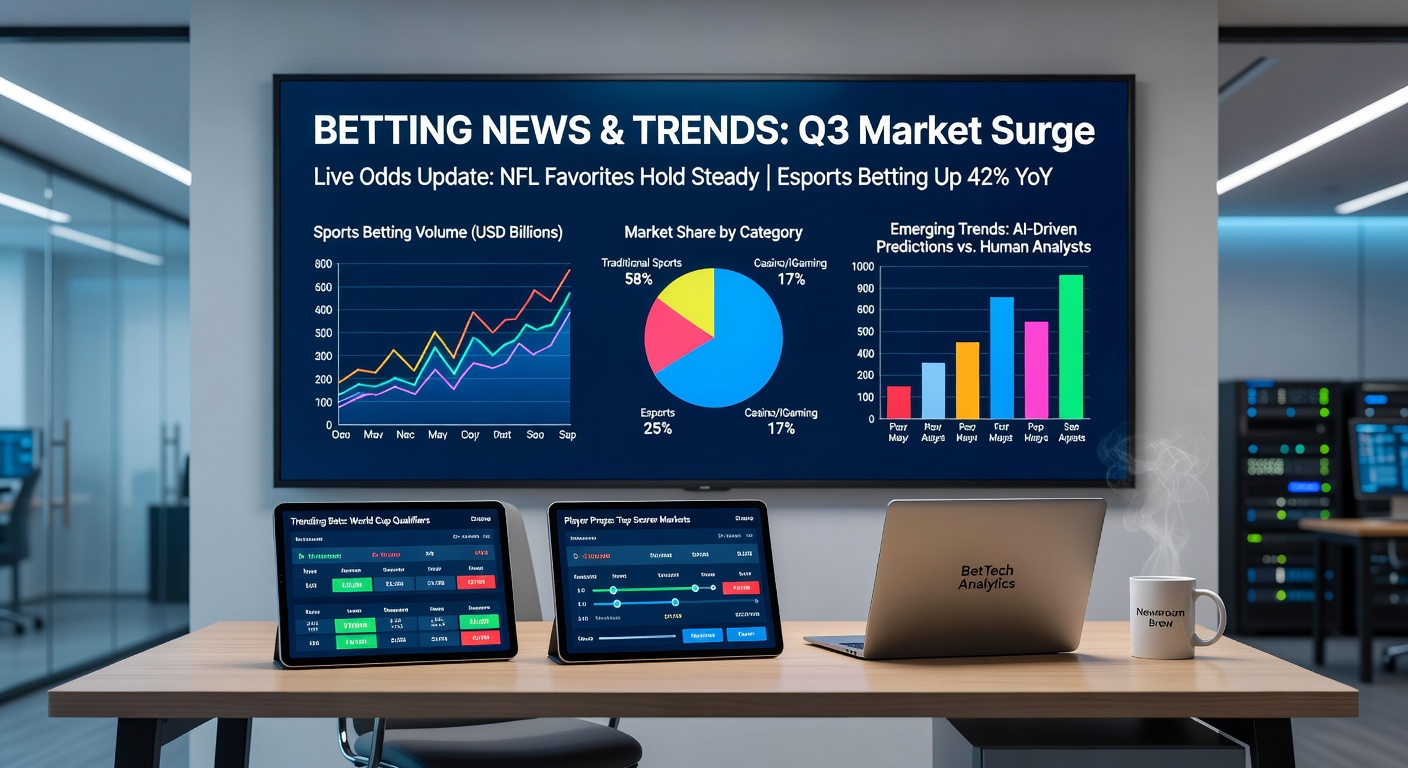
Trading volume on contracts tied to the 2026 midterms has reached nearly $200 million according to figures released in recent weeks and this surge coincides with broader regulatory friction between the platforms and multiple state authorities that continue to clash over whether such betting should be permitted at all. Observers note that the platforms have expanded their offerings to include various races and this expansion has prompted election staff in several jurisdictions to speak out about potential downstream effects on voter perceptions.
Concerns About Manipulation and Interference
Officials have pointed to risks of market manipulation along with incentives that could encourage outside interference in campaigns or vote counting and these factors combine with the possibility that actual results may diverge sharply from the odds implied by the markets as happened during a recent Los Angeles mayoral primary where betting expectations did not align with the final tally. Data from the platforms shows active contracts on dozens of congressional and statewide contests yet election administrators argue that heavy trading creates an environment where public suspicion can grow quickly whenever outcomes fail to match widely publicized market forecasts.
States have long maintained varying rules around election-related wagering and more than half currently restrict such activity in one form or another which adds another layer of complexity as federal and state regulators attempt to clarify oversight responsibilities.
Regulatory Clashes and State Responses
Regulatory clashes have intensified in recent months with platforms facing pushback in several jurisdictions that view election betting as fundamentally different from other forms of financial speculation and this tension has led to ongoing legal and administrative disputes that show no immediate sign of resolution. Those who have studied the intersection of betting and elections report that public trust metrics have already declined in some areas and the introduction of high-volume markets tied directly to vote outcomes could accelerate that trend according to statements collected from officials in August 2026.
One case that continues to surface in discussions involves the Los Angeles mayoral primary where market odds diverged noticeably from the certified results and this example has been cited repeatedly by administrators who worry that similar mismatches in higher-profile races could fuel broader skepticism about the integrity of the process itself.
Impact on Public Trust
Public suspicion tends to rise when betting markets and actual vote totals move in opposite directions and election staff have emphasized that even the perception of outside financial interests influencing or appearing to influence electoral events can erode confidence further at a time when baseline trust levels remain low in many parts of the country. Reports indicate that trading activity has accelerated ahead of key deadlines for candidate filings and this pace has prompted additional calls for clearer boundaries between permitted market activity and prohibited forms of election-related wagering.
Conclusion
The combination of substantial trading volume potential manipulation risks and documented examples of outcome divergence has placed prediction markets under renewed scrutiny from those responsible for running elections and the situation continues to evolve as platforms and regulators work through their competing positions in the months leading up to the 2026 midterms.