29 Jul 2026
Prediction Markets Surge Ahead of Traditional Sportsbooks in 2026 World Cup Activity
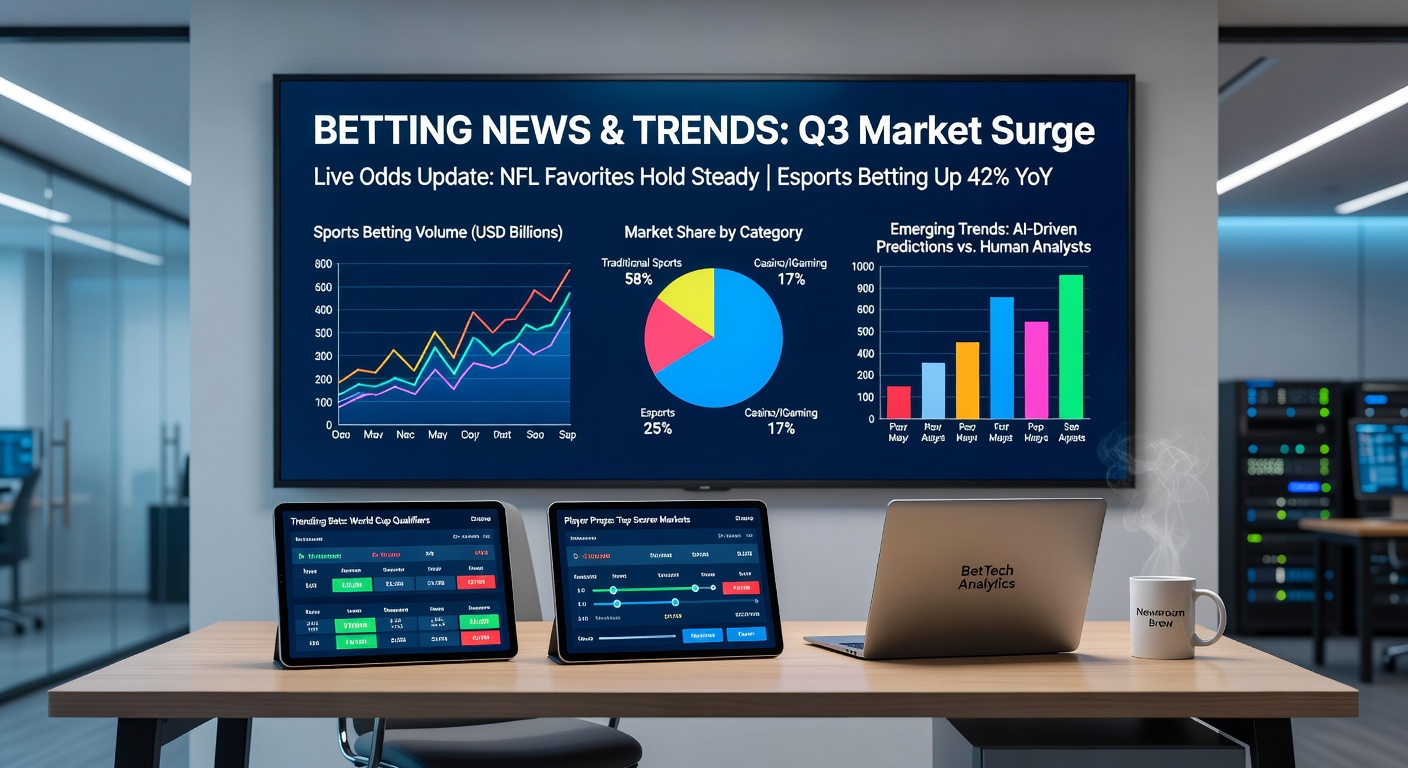
Prediction market platforms recorded sharp increases in trading activity throughout the 2026 FIFA World Cup, reaching an estimated 27 percent of all legal U.S. sports-betting volume compared with 9 percent at the start of the year. Figures show these platforms outpaced conventional sportsbooks in several key metrics during the tournament period. Kalshi achieved repeated record trading days while its daily app users exceeded those reported by DraftKings and FanDuel at multiple points in the event.
Volume Growth and Market Share Shifts
Activity on regulated prediction markets expanded rapidly as matches progressed through June and July 2026. Data indicates the combined share climbed from single digits early in the year to more than one quarter of total legal betting volume by the later stages of the tournament. Observers note that this shift occurred while overall sports-betting participation remained steady, suggesting users actively directed more wagers toward CFTC-regulated venues rather than traditional operators. Kalshi broke its own volume records on several match days, with trading concentrated around outcome contracts tied directly to World Cup results.
User Engagement and Platform Performance
Kalshi maintained higher daily active app users than DraftKings or FanDuel during peak tournament weeks. This pattern emerged consistently across multiple rounds, including group stage and knockout matches. Platform operators reported sustained session lengths and repeat visits tied to live match updates. Polymarket experienced parallel increases in contract volume, though Kalshi captured the most attention through its visibility efforts. Those who tracked app analytics observed that prediction market interfaces drew participants seeking direct outcome pricing without traditional point-spread mechanics.
In-Stadium Visibility and Brand Exposure
Kalshi secured prominent advertising placements inside tournament venues. These placements appeared on digital boards and concourse areas visible to both attendees and broadcast audiences. The placements coincided with periods of elevated trading, creating a feedback loop between on-site awareness and online activity. Industry estimates link the advertising presence to measurable upticks in new account creation during the weeks when matches were played in North American stadiums.
Regulatory Context and Competitive Dynamics
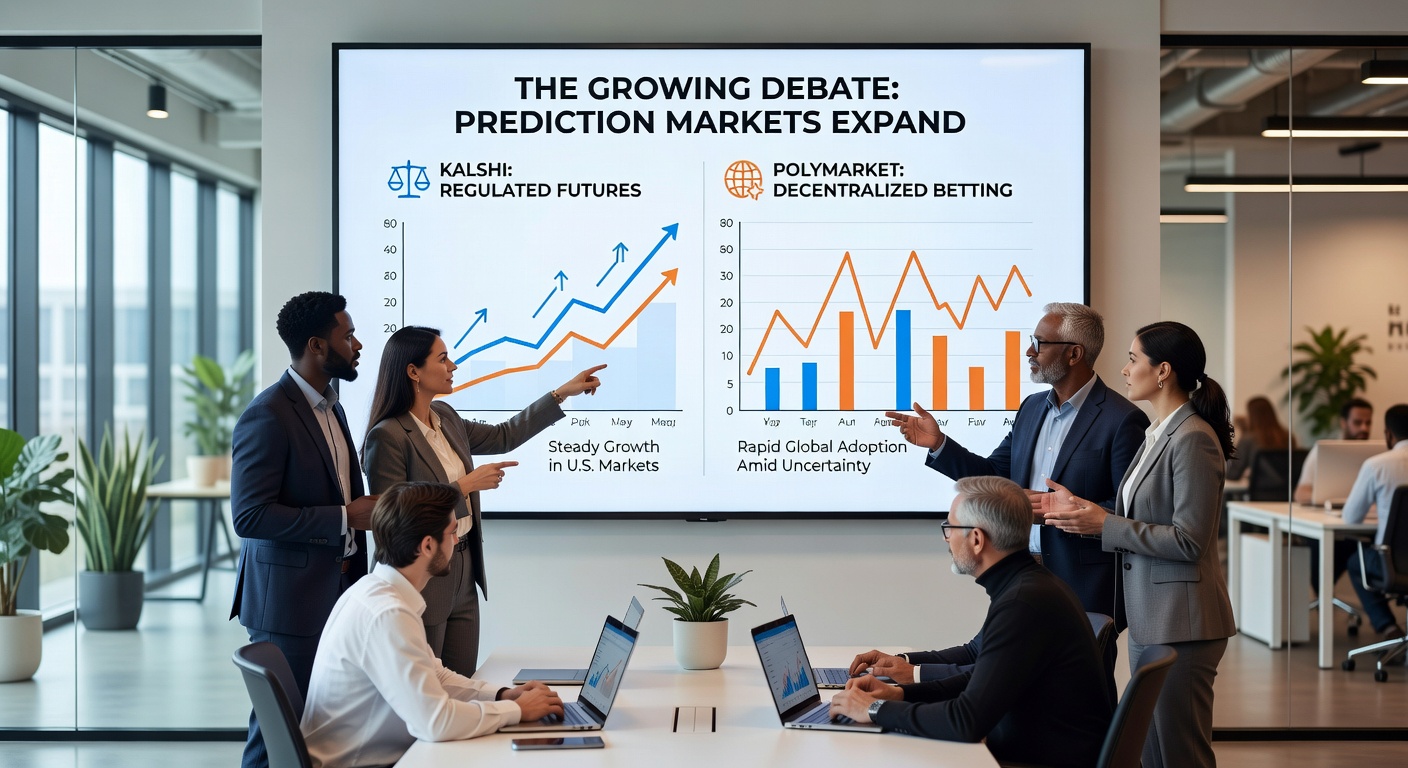
The growth occurred under CFTC oversight, which distinguishes prediction markets from state-licensed sportsbooks. Contracts on these platforms focus on event outcomes rather than adjusted spreads or totals, yet they attracted users previously associated with conventional betting apps. Data shows the 27 percent volume share emerged without changes to federal regulatory frameworks, highlighting existing differences in how platforms operate. Traditional sportsbooks continued to handle the majority of wagers, but the proportional increase for prediction markets narrowed the gap during the tournament window.
Analysts tracking daily figures noted that prediction market volume sometimes exceeded sportsbook activity on individual high-profile match days. This pattern held even as overall legal betting totals rose across the country. The CFTC framework allows nationwide participation for eligible users, removing certain state-by-state restrictions that apply to sportsbooks in some jurisdictions. Those who compared regulatory environments point to this structural difference as a factor enabling broader access during the World Cup period.
Conclusion
The 2026 FIFA World Cup period produced clear evidence of expanded activity on CFTC-regulated prediction markets. Kalshi and Polymarket together accounted for 27 percent of legal U.S. sports-betting volume by the later stages, up from 9 percent earlier in the year. Kalshi set multiple trading records, surpassed competing apps in daily users on several occasions, and maintained visible stadium advertising. These developments illustrate the operational reach of prediction markets under current federal rules while traditional sportsbooks retained the larger overall share.